Understanding EPC Ratings & What They Mean for Your Home
9th Feb 2026
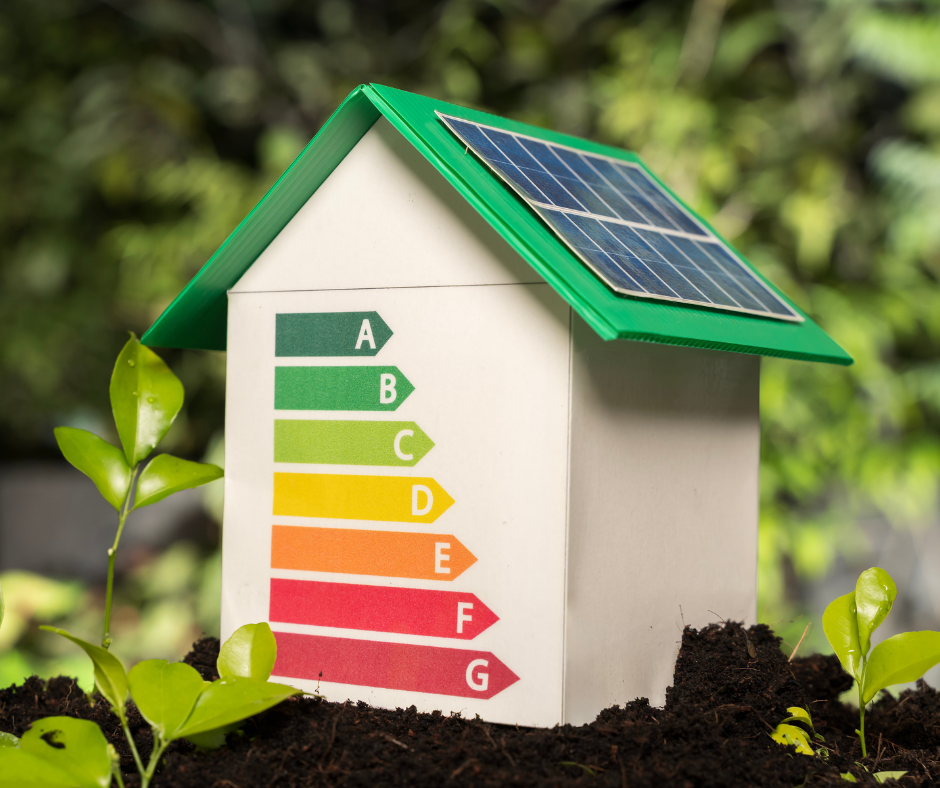
Energy Performance Certificates (EPCs) are more than just a piece of paperwork; they’re a key indicator of how energy-efficient a home is, and in the coming years, their importance is only going to grow. Whether you’re a homeowner, landlord, or thinking about selling or renting out a property, knowing how EPC ratings work and what they mean can help you make smarter decisions while reducing energy bills and carbon emissions.
What Is an EPC?
An Energy Performance Certificate (EPC) is a rating that shows how energy-efficient a property is. Properties are rated on a scale from A (highest efficiency) to G (lowest efficiency). The certificate also includes recommendations for improvements that can boost energy performance and save money on running costs.
EPCs are required in the UK whenever a home is built, sold, or rented, and they’re valid for 10 years.
How EPC Ratings Affect Different Properties
Owner-Occupied Homes
Even if you don’t plan to sell or rent out your home, having a good EPC rating is valuable:
- Lower energy bills: Homes with higher EPC ratings tend to be more energy efficient, meaning less wasted heat and lower heating and lighting costs.
- Increased market appeal: If you do decide to sell in the future, properties with stronger EPC ratings often attract more interest from buyers, particularly those concerned about future energy costs.
- Environmental impact: Better energy performance means fewer carbon emissions, helping both your household and broader UK climate goals.
For landlords, EPC ratings are becoming a major compliance issue. Currently, rental properties must have at least an E rating to be let.
However, under upcoming changes in energy regulations, all private rented properties will need a minimum EPC rating of C by October 2030. This reflects wider government goals to improve energy efficiency in the housing stock, reduce fuel costs for tenants, and cut carbon emissions.
That shift from E to C is significant. It means many older homes, especially those with poor insulation, inefficient heating systems, or draughty windows, may require upgrades to continue to be legally rented out after 2030. Upgrades might include:
- Loft and wall insulation
- Double or triple glazing
- Installing renewable technologies like solar panels or heat pumps
- Smart heating systems and controls
Cost Savings
Properties with higher EPC ratings tend to be cheaper to run. A more efficient home can reduce heating bills significantly compared to an inefficient one, and even moving a property up one energy band can make a noticeable difference in annual energy costs.
Market Value & Demand
Homes with better EPC ratings are increasingly sought after by buyers and tenants who are focused on energy costs and sustainability. Higher ratings can improve marketability and, in some cases, support higher rental or sale values.
Future Legislation
The upcoming EPC changes for rental properties reflect a broader policy direction: the UK government wants buildings to use less energy and emit less carbon in line with net-zero targets. That means EPC ratings will likely matter more, not less, over time.
What You Can Do Now
Whether you own your own home or manage properties as a landlord, there are proactive steps you can take:
- Check your current EPC: Knowing your rating is the first step to understanding where improvements are needed.
- Consider upgrades sooner rather than later: Insulation, efficient heating systems, and renewable technologies like solar panels and battery storage not only improve EPC ratings but also lower energy bills.
- Plan for the 2030 deadline: Landlords may want to start assessing properties now to avoid the rush later — especially if significant improvements are needed.
If you’d like help understanding your EPC rating or improving your property’s energy efficiency, get in touch with our team for friendly, no-obligation advice. Contact us here!Sign up for our newsletter for renewable energy news, industry updates, product launches, special offers, and real-world case studies from customers like you. As a family-run Norfolk business, your support really does make a difference.
Sign up for our newsletter here!


